
Verzenio logo
  • Prescribing Information
  • Patient Information
Menu closed
Verzenio logo
  • Prescribing Information
  • Patient Information
  • For Consumers
  • House For Healthcare Providers
      • Verzenio + ET
      • Verzenio + AI
      • Verzenio + Fulvestrant
      • Single Agent
      • Managing Diarrhea
      • Adverse Reactions
      • Dosing
      • Dose Modifications
    • NCCN Clinical Practice Guidelines in Oncology (NCCN Guidelines®)
    • Mechanism of Action
      • Resources
      • Patient Support
      • Access
Ask Lilly

We're here to help.

Phone Call:
1-800-LillyRx
(1-800-545-5979)
Link Visit Lilly Medical (HCP)
Question Submit a Question
Question Sample/Sales Inquiry
Expand contact lilly
This site is intended only for U.S. Healthcare Providers

See the 7-year data. Learn more.

Image portraying a hypothetical Verzenio patient surrounded by paint samples, tools, and illustrations related to home improvement

SHE'S ON TRACK

For Making Her House A Home.

Not Recurrence.

In node-positive, high-riska HR+, HER2– EBC, only Verzenio + ET has been proven to reduce the risk of recurrence with just a 2-year treatment duration.1,2

aHigh-risk was defined as HR+, HER2– EBC with either ≥4 positive nodes, OR 1-3 positive nodes and tumors that were ≥5 cm, histological Grade 3—or both3

Click to See the Data

Hypothetical Patient

Early Breast Cancer and Risk of Recurrence

In patients with HR+ EBC

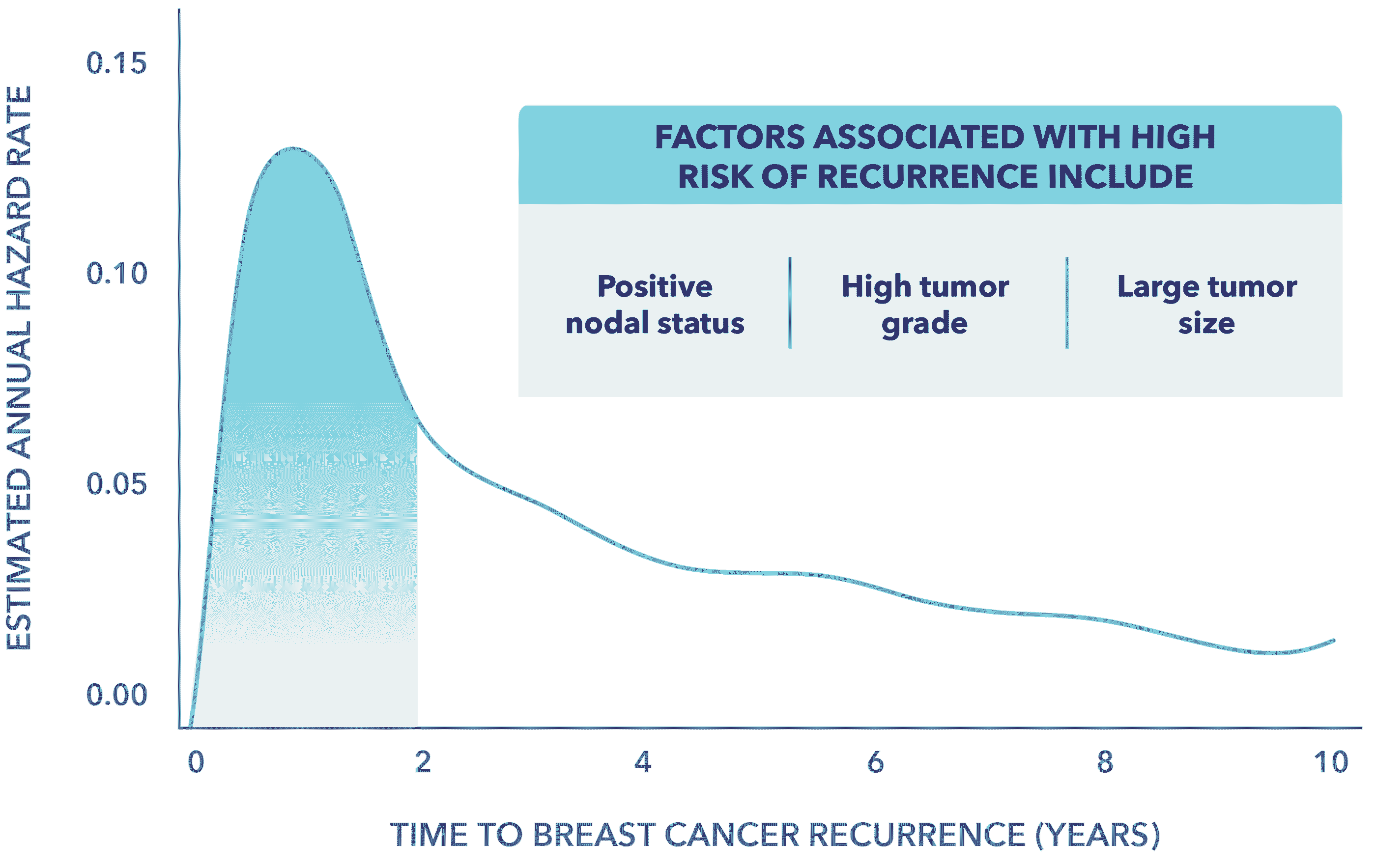
The highest risk of recurrence is in the first 2 years after primary treatment4

Deliver 2 years of treatment when she needs it most1,5

EBC=early breast cancer; ET=endocrine therapy; HER2–=human epidermal growth factor receptor 2-negative; HR+=hormone receptor-positive

Recurrence risk in HR+ EBC (stages I-III, N=13,798)4,5

Graph depicting the change in recurrence risk over time among HR+ EBC patients

Curve showing time to breast cancer recurrence, with a peak between 1 and two years, then declining over time to 10 years. There is a table within the figure showing that factors associated with a high risk of recurrence include positive nodal status, high grade tumor, and large tumor size.

Among patients with HR+, HER2– EBC

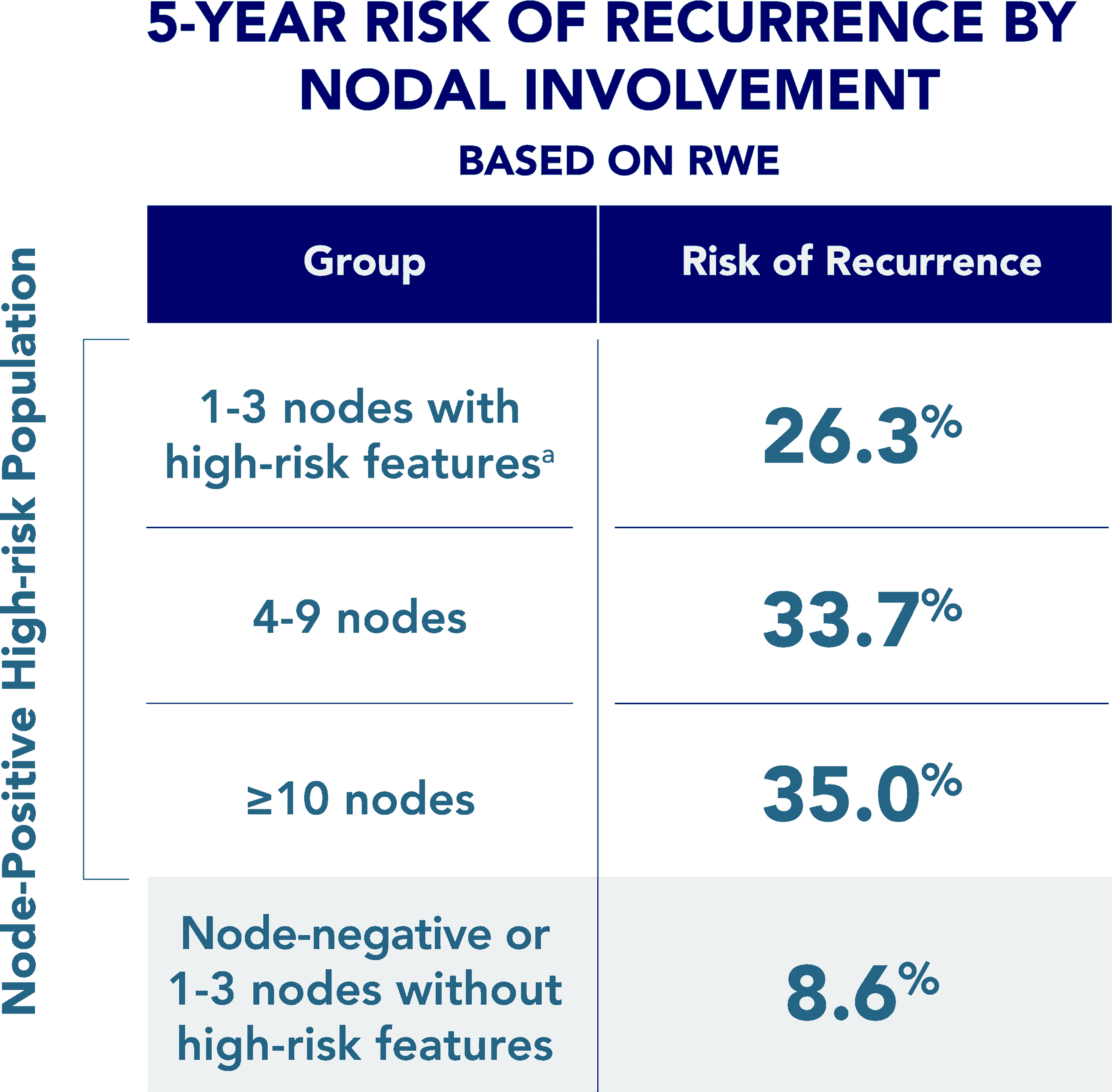
All node-positive groups with certain high-risk features* have an increased likelihood of recurrence when given ET alone6

Patients with 1-3 positive nodes and high-risk features* have nearly as high a risk of recurrence as those with 4+ positive nodes.6,7

Five-year risk of recurrence by nodal involvement

Table showing 5-year risk of recurrence by nodal involvement, based on real-world evidence. Patients with 1 to 3 positive nodes with high-risk features* have a 26.3% risk of recurrence. Patients with 4 to 9 positive nodes have a 33.7% risk of recurrence. Patients with 10 or more positive nodes have a 35% risk of recurrence. Patients who are node negative or have 1 to 3 positive nodes without high-risk features have an 8.6% risk of recurrence. High-risk features for patients with 1 to 3 positive nodes included at least one of the following: tumor size greater than or equal to 5 centimeters, or grade 3.

aHigh-risk features for patients with 1 to 3 positive nodes included at least one of the following: tumor size greater than or equal to 5 centimeters, or grade 3

Source: U.S. Flatiron Health EBC database (Study period 2011-2020).

This real-world evidence study used the US nationwide Flatiron Health electronic health record (EHR)-derived de-identified database. The de-identified data originated from approximately 280 cancer clinics (~800 sites of care), with the majority of patients originating from community oncology settings. This dataset included >15,000 patients diagnosed with HR+, HER2– EBC from 01 January 2011 through 29 February 2024.

Median follow up: 43 months

Hazard ratios with 95% confidence interval were estimated by Cox proportional hazards regression models. Adjustment factors included age, race, menopausal status, resection status, histology, progesterone receptor status, BRCA status, ECOG PS, and Oncotype DX Breast Recurrence Score. Adjusted hazard ratio describes the increase in recurrence risk in each of the node-positive groups versus the group without these high-risk features over the course of follow up. Risk of recurrence in the bar chart is the chance of having an event (that is, recurrence or death) and is expressed as 100% minus 5-year IDFS rate.

Results are based on a post hoc subgroup analysis, following the methodology used by Sheffield et al (2022).7 This analysis was exploratory and did not test a hypothesis.

*High risk features are defined as ≥4 positive lymph nodes, or 1-3 positive lymph nodes with one or more of the following: Grade 3 disease, tumor size ≥5cm. Patients without these high-risk features had stage I-III EBC that did not meet these criteria (node-negative, or node-positive with 1-3 positive nodes and tumor size <5 cm, and histological Grade <3).6

ECOG PS=Eastern Cooperative Oncology Group performance status; EHR=electronic health record; ET=endocrine therapy; IDFS=invasive disease-free survival.

Verzenio + ET

For patients with node-positive, high-risk, HR+, HER2– EBC3

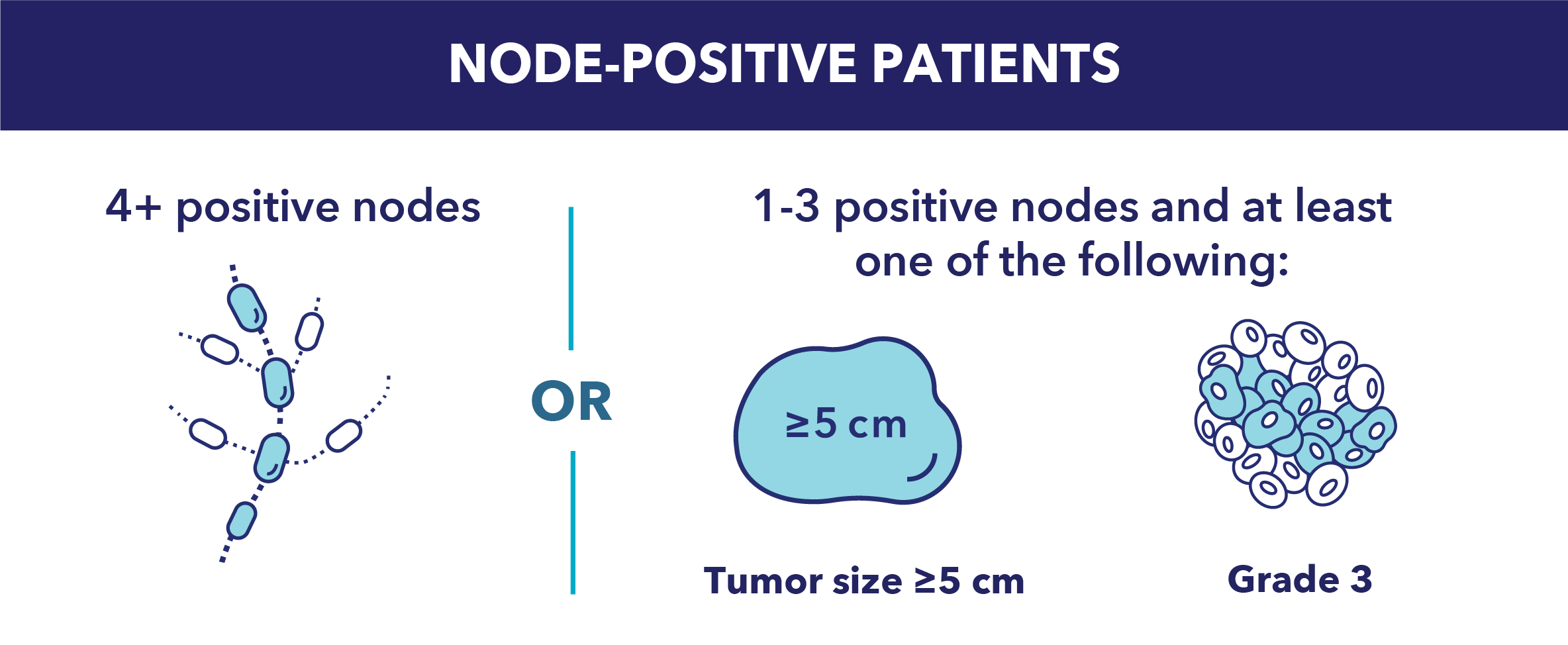
Node-positive patients3

Image depicting high risk factors in node-positive patients

Image illustrating the presentation of node-positive, high-risk, hormone receptor-positive, human epidermal growth factor receptor 2-negative early breast cancer in patients with 1-3 positive nodes and at least one of the following: Tumor size greater than or equal to 5 cm and Grade 3, or 4+ positive nodes.

About Verzenio

In patients with node-positive, high-risk,* HR+, HER2– EBC

Verzenio is the only CDK4/6i with 7 years of sustained IDFS benefit and just a 2-year treatment duration2,8†

Proven long-lasting protection: Verzenio has the longest follow-up ever reported for a CDK4/6i in EBC.2,8

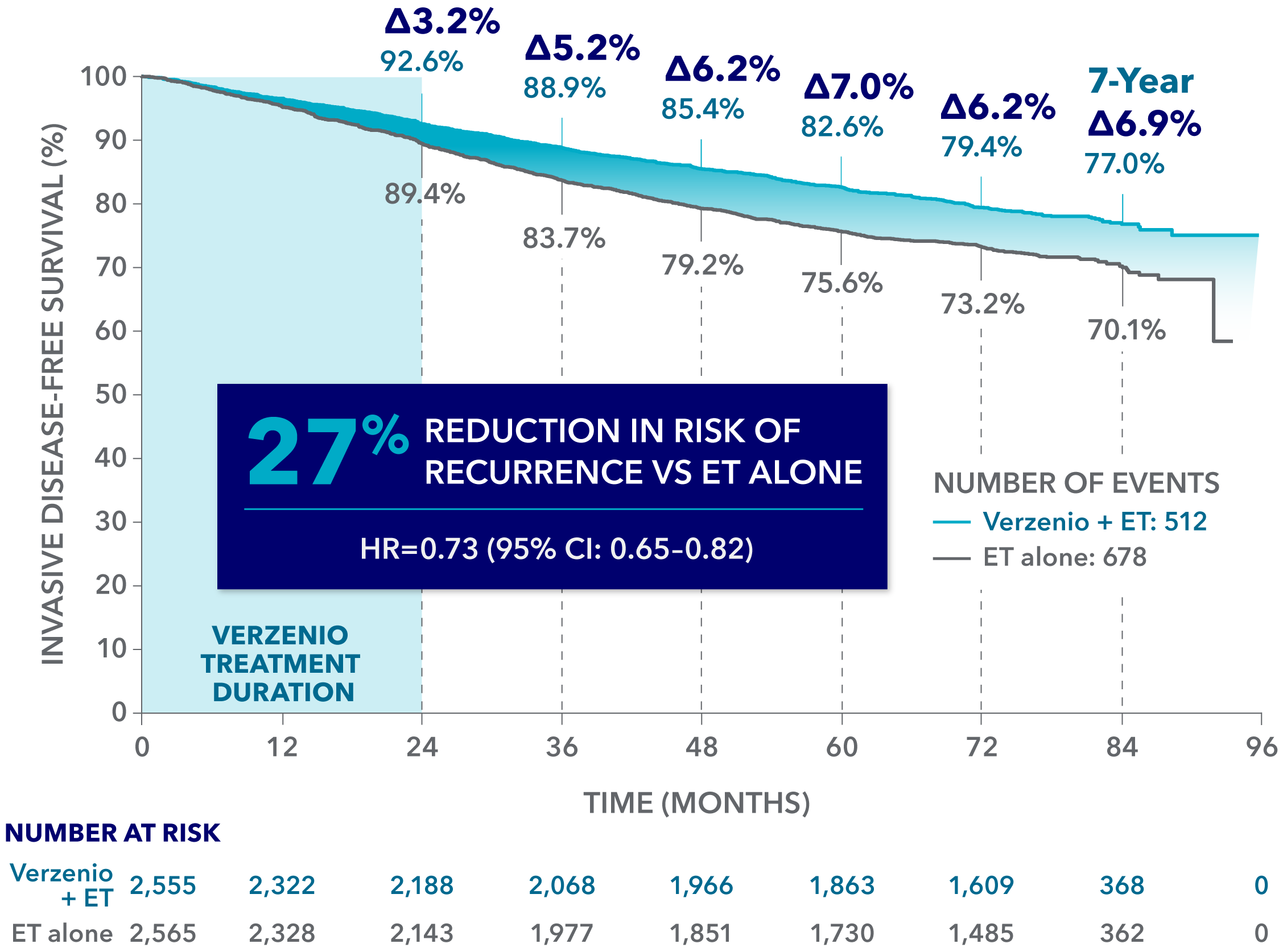
IDFS benefit sustained at 7 years8

Kaplan-Meier curve depicting IDFS rates at 7 years in Cohort 1 for the monarchE phase 3 global trial

Kaplan-Meier curve of invasive disease-free survival in Cohort 1 for the monarchE phase 3 global trial, showing a 27% reduction in risk of recurrence (the hazard ratio was 0.73 [95% confidence interval was 0.65 to 0.82]) at 7 years. The number of events was 512 for Verzenio plus endocrine therapy (ET) vs 678 for ET alone. At Month 24, Verzenio plus ET was 92.6% vs ET alone at 89.4%—a 2-year delta of 3.2%. At Month 36, Verzenio plus ET was 88.9% vs ET alone at 83.7%—a 3-year delta of 5.2%. At Month 48, Verzenio plus ET was 85.4% vs ET alone at 79.2%—a 4-year delta of 6.2%. At Month 60, Verzenio plus ET was 82.6% vs ET alone at 75.6%—a 5-year delta of 7.0%. At Month 72, Verzenio plus ET was 79.4% vs ET alone at 73.2%—a 6- year delta of 6.2%. At Month 84, Verzenio plus ET was 77.0% vs ET alone at 70.1%—a 7-year delta of 6.9%.

The 7-year analysis was performed at a median follow-up of 76 months.

At the 4-year IDFS analysis (median follow-up of 42 months), 85.5% of patients remained recurrence free with Verzenio + ET vs 78.6% with ET alone (HR=0.65 [95% CI: 0.57-0.75]). Three hundred seventeen (317) IDFS events were observed with Verzenio plus ET vs 474 with ET alone. At the time of the 4-year analysis, OS was immature, and a total of 315 (6%) patients died across the two treatment arms.

4- and 7- year IDFS analyses for this subpopulation were prespecified, but not powered or alpha controlled for testing statistical significance.

*High-risk was defined as HR+, HER2– EBC with either ≥4 positive nodes, OR 1-3 positive nodes and tumors that were ≥5 cm, histological Grade 3—or both.3

†Verzenio in combination with ET (AI or tamoxifen) is indicated for the adjuvant treatment of adult patients with HR+, HER2–, node-positive EBC at a high risk of recurrence.

AI=aromatase inhibitor; CDK4/6i=cyclin-dependent kinase 4 and 6 inhibitor; CI=confidence interval; EBC=early breast cancer; ET=endocrine therapy; HER2–=human epidermal growth factor receptor 2-negative; HR=hazard ratio; HR+=hormone receptor-positive; IDFS=invasive disease-free survival; OS=overall survival

See monarchE Trial Design

SELECT IMPORTANT SAFETY INFORMATION

Severe diarrhea associated with dehydration and infection occurred in patients treated with Verzenio. Across four clinical trials in 3691 patients, diarrhea occurred in 81 to 90% of patients who received Verzenio. Grade 3 diarrhea occurred in 8 to 20% of patients receiving Verzenio. Most patients experienced diarrhea during the first month of Verzenio treatment. The median time to onset of the first diarrhea event ranged from 6 to 8 days; and the median duration of Grade 2 and Grade 3 diarrhea ranged from 6 to 11 days and 5 to 8 days, respectively. Across trials, 19 to 26% of patients with diarrhea required a Verzenio dose interruption and 13 to 23% required a dose reduction.

Instruct patients to start antidiarrheal therapy, such as loperamide, at the first sign of loose stools, increase oral fluids, and notify their healthcare provider for further instructions and appropriate follow-up. For Grade 3 or 4 diarrhea, or diarrhea that requires hospitalization, discontinue Verzenio until toxicity resolves to ≤Grade 1, and then resume Verzenio at the next lower dose.

In patients with node-positive, high-risk,* HR+, HER2– EBC

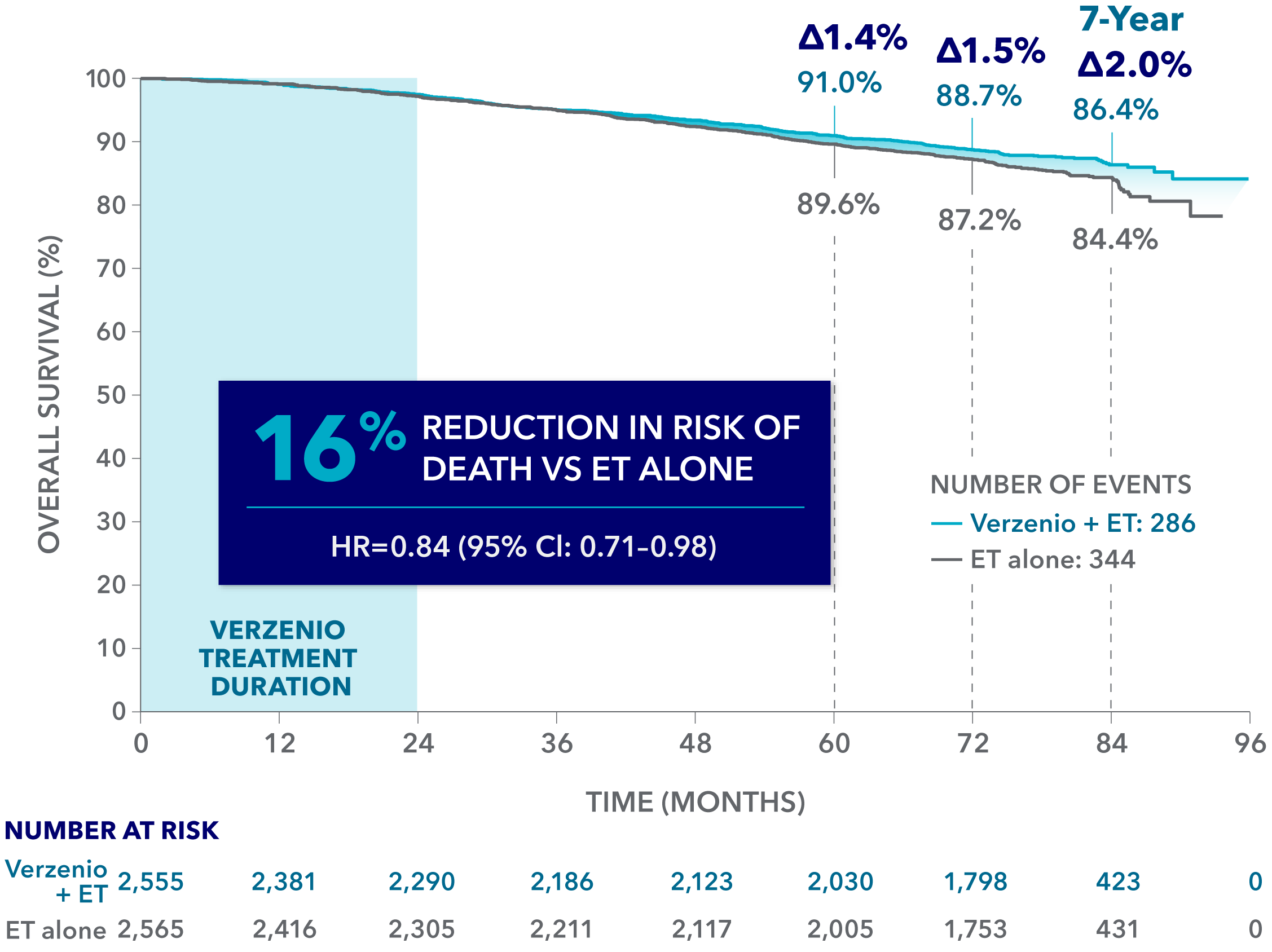
Overall survival results: Verzenio + ET demonstrated an improvement in overall survival vs ET alone9

monarchE is the only CDK4/6i trial to report overall survival results at 7 years2,9

OS at 7 years9

Kaplan-Meier curve depicting OS rates at 7 years in Cohort 1 for the monarchE phase 3 global trial

Kaplan-Meier curve of overall survival in Cohort 1 for the monarchE phase 3 global trial, showing a 16.5% reduction in risk of death (the hazard ratio was 0.835 [95% confidence interval was 0.713 to 0.977]) at 7 years. The number of events was 286 for Verzenio plus endocrine therapy (ET) vs 344 for ET alone. At Month 60, Verzenio plus ET was 91.0% vs ET alone at 89.6%—a 5-year delta of 1.4%. At Month 72, Verzenio plus ET was 88.7% vs ET alone at 87.2%—a 6-year delta of 1.5%. At Month 84, Verzenio plus ET was 86.4% vs ET alone at 84.4%—a 7-year delta of 2.0%.

At the time of analysis, a total of 630 (12%) of patients died across the two treatment arms. The percentage of deaths at the time of analysis was 11% (n=286) in the Verzenio + ET arm and 13% (n=344) in the ET-alone arm.

Analysis of OS was performed for Cohort 1 at a median follow-up of 76 months. OS analysis for this subpopulation was not powered or alpha controlled for testing statistical significance.

*High-risk was defined as HR+, HER2– EBC with either ≥4 positive nodes, OR 1-3 positive nodes and tumors that were ≥5 cm, histological Grade 3—or both.3

CDK4/6i=cyclin-dependent kinase 4 and 6 inhibitor; EBC=early breast cancer; ET=endocrine therapy; HER2–=human epidermal growth factor receptor 2-negative; HR+=hormone receptor-positive; IDFS=invasive disease-free survival; ITT=intent-to-treat; OS=overall survival

See monarchE Trial Design

In patients with node-positive, high-risk* HR+, HER2– EBC

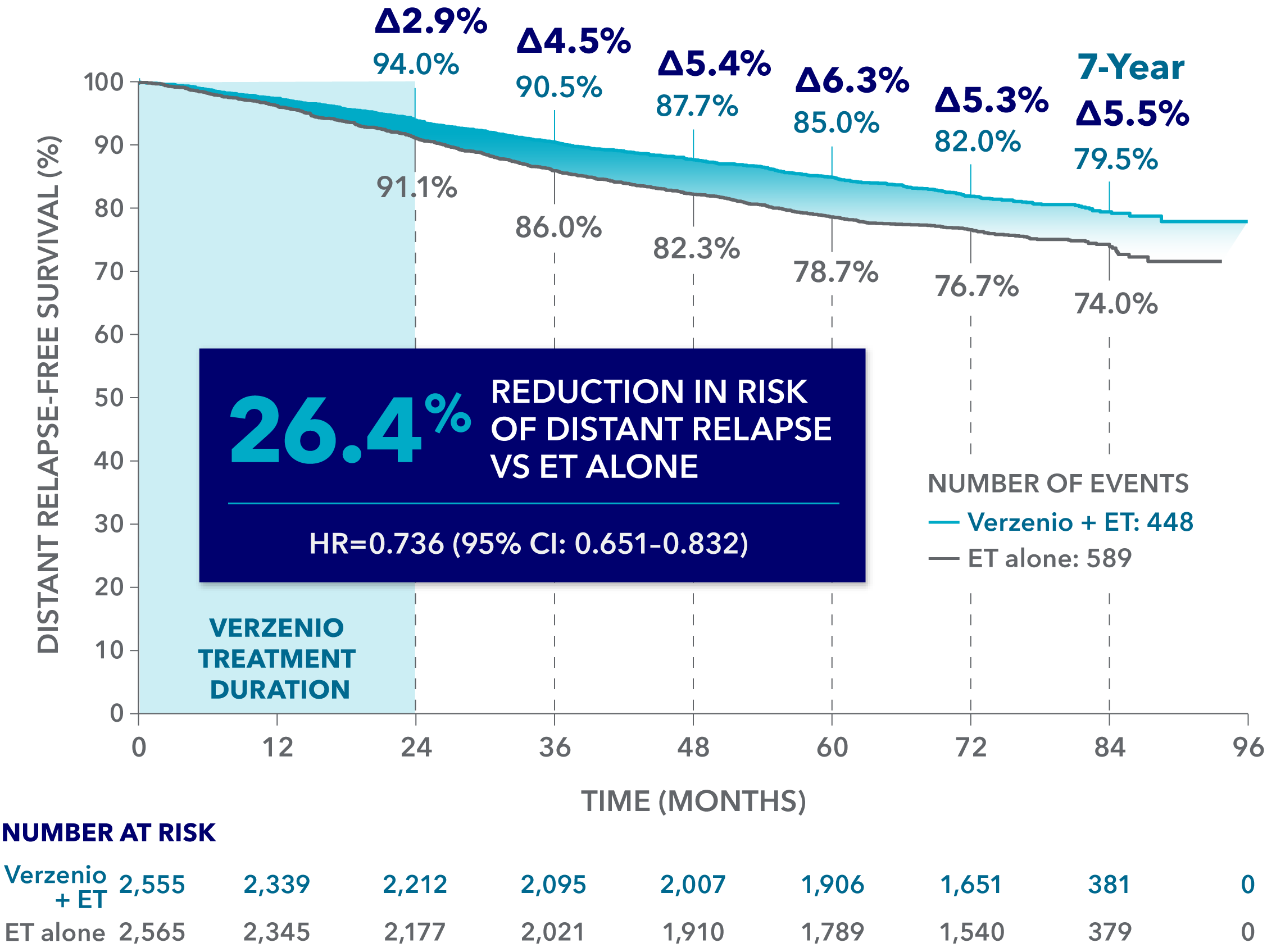
26.4% reduction in the risk of distant relapse was seen with Verzenio + ET vs ET alone10

5.5% absolute difference in DRFS at the 7-year analysis10

DRFS at 7 years10

Kaplan-Meier curve depicting DRFS rates at 7 years in Cohort 1 for the monarchE phase 3 global trial

Kaplan-Meier curve of distant relapse-free survival in Cohort 1 for the monarchE phase 3 global trial, showing a 26.4% reduction in risk of distant relapse (the hazard ratio was 0.736 [95% CI was 0.651 to 0.832]) at 7 years. The number of events was 448 for Verzenio plus endocrine therapy (ET) vs 589 for ET alone. At Month 24, Verzenio plus ET was 94.0% vs ET alone at 91.1%—a 2-year delta of 2.9%. At Month 36, Verzenio plus ET was 90.5% vs ET alone at 86.0%—a 3-year delta of 4.5%. At Month 48, Verzenio plus ET was 87.7% vs ET alone at 82.3%—a 4-year delta of 5.4%. At Month 60, Verzenio plus ET was 85.0% vs ET alone at 78.7%—a 5-year delta of 6.3%. At Month 72, Verzenio plus ET was 82.0% vs ET alone at 76.7%—a 6-year delta of 5.3%. At Month 84, Verzenio plus ET was 79.5% vs ET alone at 74.0%—a 7-year delta of 5.5%.

A prespecified efficacy analysis was performed at a median follow-up of 76 months.

DRFS analysis was not powered or alpha controlled for testing statistical significance.

*High-risk was defined as HR+, HER2– EBC with either ≥4 positive nodes, OR 1-3 positive nodes and tumors that were ≥5 cm, histological Grade 3—or both.3

DRFS=distant relapse-free survival; EBC=early breast cancer; ET=endocrine therapy; HER2–=human epidermal growth factor receptor 2-negative; HR+=hormone receptor-positive

See monarchE Trial Design

monarchE: specifically designed for a 2-year treatment period, when patients are at highest risk of recurrence3-5

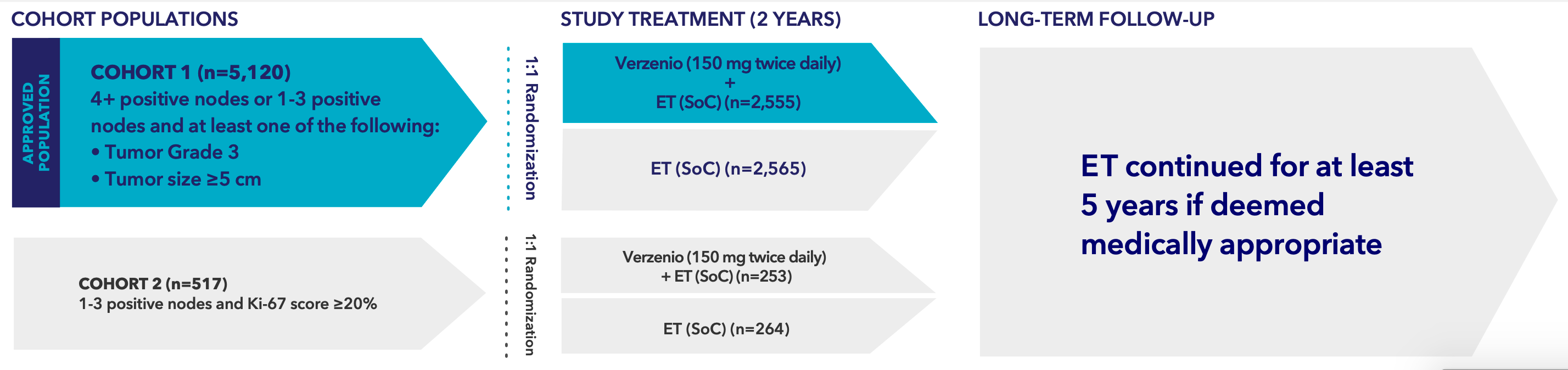
monarchE Trial Design5

Graphic illustrating the design of the monarchE phase III global trial

Graphic illustrating the design of the monarchE phase III global trial of Verzenio for the treatment of adults with node-positive, HR+, HER2– EBC at high risk of recurrence. This study included 2 Cohorts. To be enrolled in Cohort 1 (n=5,120), which is the FDA-approved population, patients had to have 1-3 positive nodes plus tumors that were either ≥5cm or histological Grade 3, or both—or patients with 4+ positive nodes. To be enrolled in Cohort 2 (n=517), patients had to have 1-3 positive nodes and Ki-67 score ≥20%.

Patients in each cohort were randomized 1:1 to receive either Verzenio 150 mg twice daily plus SoC adjuvant ET (Cohort 1, n=2,555; Cohort 2, n=253) or SoC adjuvant ET alone (Cohort 1, n=2,565; Cohort 2, n=264) for 2 years. ET continued for at least 5 years if deemed medically appropriate.

  • Verzenio is the only CDK4/6i approved with a continuous dosing schedule in combination with AI or tamoxifen3,8
  • Verzenio is approved for use in Cohort 1 (91% of the ITT population)3

The primary endpoint was IDFS and the key secondary endpoints were DRFS and OS.3,5

A statistically significant difference in IDFS was observed in the ITT population, which was primarily attributed to the patients treated in Cohort 1.3,5 While the OS data in Cohort 2 remains immature, more deaths were observed among those receiving Verzenio plus standard endocrine therapy compared to those receiving standard endocrine therapy alone (10/253 vs 5/264).3

Choose Verzenio: The only CDK4/6i that delivers treatment in just 2 years3,11

When used in combination with ET for HR+, HER2–, high-risk* EBC, the recommended dose of Verzenio is 150 mg taken orally twice daily, continued until completion of two years of treatment or until disease recurrence, or unacceptable toxicity.

*High-risk was defined as HR+, HER2– EBC with either ≥4 positive nodes, OR 1-3 positive nodes and tumors that were ≥5 cm, histological Grade 3—or both.3

monarchE safety


References:

  1. Rastogi P, O'Shaughnessy J, Martin M, et al. Adjuvant abemaciclib plus endocrine therapy for hormone receptor-positive, human epidermal growth factor receptor 2-negative, high-risk early breast cancer: results from a preplanned monarchE overall survival interim analysis, including 5-year efficacy outcomes. J Clin Oncol. 2024;42(9)(Incl Suppl Mat):987-993. doi: 10.1200/JCO.23.01994
  2. Hortobagyi GN, Lacko A, Sohn J, et al. A phase III trial of adjuvant ribociclib plus endocrine therapy versus endocrine therapy alone in patients with HR-positive/HER2-negative early breast cancer: final invasive disease-free survival results from the NATALEE trial. Ann Oncol. 2025;36(2)(incl suppl mat):149-157. doi: 10.1016/j.annonc.2024.10.015
  3. Verzenio. Prescribing Information. Lilly USA, LLC.
  4. Cheng L, Swartz MD, Zhao H, et al. Hazard of recurrence among women after primary breast cancer treatment--a 10-year follow-up using data from SEER-Medicare. Cancer Epidemiol Biomarkers Prev. 2012;21(5):800-809. doi: 10.1158/1055-9965.epi-11-1089
  5. Johnston SRD, Toi M, O'Shaughnessy J, et al.; monarchE Committee Members. Abemaciclib plus endocrine therapy for hormone receptor-positive, HER2-negative, node-positive, high-risk early breast cancer (monarchE): results from a preplanned interim analysis of a randomised, open-label, phase 3 trial. Lancet Oncol. 2023;24(1):77-90. doi: 10.1016/S1470-2045(22)00694-5
  6. Tolaney SM, Sammons S, Cortes J, et al. Real-world risk of recurrence by nodal status in patients with HR+, HER2–, node-positive, high-risk early breast cancer. SABCS. 2024; Poster P1-11-02.
  7. Sheffield KM, Peachey JR, Method M, et al. A real-world US study of recurrence risks using combined clinicopathological features in HR-positive, HER2-negative early breast cancer. Future Oncol. 2022;18(21):2667-2682. doi: 10.2217/fon-2022-0310
  8. Data on File. DOF-AL-US-0127. Lilly USA, LLC.
  9. Data on File. DOF-AL-US-0128. Lilly USA, LLC.
  10. Data on File. DOF-AL-US-0129. Lilly USA, LLC
  11. Kisqali. Summary of Product Characteristics. Novartis Pharmaceuticals Corporation

IMPORTANT SAFETY INFORMATION

Severe diarrhea associated with dehydration and infection occurred in patients treated with Verzenio. Across four clinical trials in 3691 patients, diarrhea occurred in 81 to 90% of patients who received Verzenio. Grade 3 diarrhea occurred in 8 to 20% of patients receiving Verzenio. Most patients experienced diarrhea during the first month of Verzenio treatment. The median time to onset of the first diarrhea event ranged from 6 to 8 days; and the median duration of Grade 2 and Grade 3 diarrhea ranged from 6 to 11 days and 5 to 8 days, respectively. Across trials, 19 to 26% of patients with diarrhea required a Verzenio dose interruption and 13 to 23% required a dose reduction.

Instruct patients to start antidiarrheal therapy, such as loperamide, at the first sign of loose stools, increase oral fluids, and notify their healthcare provider for further instructions and appropriate follow-up. For Grade 3 or 4 diarrhea, or diarrhea that requires hospitalization, discontinue Verzenio until toxicity resolves to ≤Grade 1, and then resume Verzenio at the next lower dose.

Neutropenia, including febrile neutropenia and fatal neutropenic sepsis, occurred in patients treated with Verzenio. Across four clinical trials in 3691 patients, neutropenia occurred in 37 to 46% of patients receiving Verzenio. A Grade ≥3 decrease in neutrophil count (based on laboratory findings) occurred in 19 to 32% of patients receiving Verzenio. Across trials, the median time to first episode of Grade ≥3 neutropenia ranged from 29 to 33 days, and the median duration of Grade ≥3 neutropenia ranged from 11 to 16 days. Febrile neutropenia has been reported in <1% of patients exposed to Verzenio across trials. Two deaths due to neutropenic sepsis were observed in MONARCH 2. Inform patients to promptly report any episodes of fever to their healthcare provider.

Monitor complete blood counts prior to the start of Verzenio therapy, every 2 weeks for the first 2 months, monthly for the next 2 months, and as clinically indicated. Dose interruption, dose reduction, or delay in starting treatment cycles is recommended for patients who develop Grade 3 or 4 neutropenia.

Severe, life-threatening, or fatal interstitial lung disease (ILD) or pneumonitis can occur in patients treated with Verzenio and other CDK4/6 inhibitors. In Verzenio-treated patients in EBC (monarchE), 3% of patients experienced ILD or pneumonitis of any grade: 0.4% were Grade 3 or 4 and there was one fatality (0.1%). In Verzenio-treated patients in MBC (MONARCH 1, MONARCH 2, MONARCH 3), 3.3% of Verzenio-treated patients had ILD or pneumonitis of any grade: 0.6% had Grade 3 or 4, and 0.4% had fatal outcomes. Additional cases of ILD or pneumonitis have been observed in the postmarketing setting, with fatalities reported.

Monitor patients for pulmonary symptoms indicative of ILD or pneumonitis. Symptoms may include hypoxia, cough, dyspnea, or interstitial infiltrates on radiologic exams. Infectious, neoplastic, and other causes for such symptoms should be excluded by means of appropriate investigations. Dose interruption or dose reduction is recommended in patients who develop persistent or recurrent Grade 2 ILD or pneumonitis. Permanently discontinue Verzenio in all patients with Grade 3 or 4 ILD or pneumonitis.

Grade ≥3 increases in alanine aminotransferase (ALT) (2 to 6%) and aspartate aminotransferase (AST) (2 to 3%) were reported in patients receiving Verzenio. Across three clinical trials in 3559 patients (monarchE, MONARCH 2, MONARCH 3), the median time to onset of Grade ≥3 ALT increases ranged from 57 to 87 days and the median time to resolution to Grade <3 was 13 to 14 days. The median time to onset of Grade ≥3 AST increases ranged from 71 to 185 days and the median time to resolution to Grade <3 ranged from 11 to 15 days.

Monitor liver function tests (LFTs) prior to the start of Verzenio therapy, every 2 weeks for the first 2 months, monthly for the next 2 months, and as clinically indicated. Dose interruption, dose reduction, dose discontinuation, or delay in starting treatment cycles is recommended for patients who develop persistent or recurrent Grade 2, or any Grade 3 or 4 hepatic transaminase elevation.

Venous thromboembolic events (VTE) were reported in 2 to 5% of patients across three clinical trials in 3559 patients treated with Verzenio (monarchE, MONARCH 2, MONARCH 3). VTE included deep vein thrombosis, pulmonary embolism, pelvic venous thrombosis, cerebral venous sinus thrombosis, subclavian and axillary vein thrombosis, and inferior vena cava thrombosis. In clinical trials, deaths due to VTE have been reported in patients treated with Verzenio.

Verzenio has not been studied in patients with early breast cancer who had a history of VTE. Monitor patients for signs and symptoms of venous thrombosis and pulmonary embolism and treat as medically appropriate. Dose interruption is recommended for EBC patients with any grade VTE and for MBC patients with a Grade 3 or 4 VTE.

Verzenio can cause fetal harm when administered to a pregnant woman, based on findings from animal studies and the mechanism of action. In animal reproduction studies, administration of abemaciclib to pregnant rats during the period of organogenesis caused teratogenicity and decreased fetal weight at maternal exposures that were similar to the human clinical exposure based on area under the curve (AUC) at the maximum recommended human dose. Advise pregnant women of the potential risk to a fetus. Advise females of reproductive potential to use effective contraception during treatment with Verzenio and for 3 weeks after the last dose. Based on findings in animals, Verzenio may impair fertility in males of reproductive potential. There are no data on the presence of Verzenio in human milk or its effects on the breastfed child or on milk production. Advise lactating women not to breastfeed during Verzenio treatment and for at least 3 weeks after the last dose because of the potential for serious adverse reactions in breastfed infants.

The most common adverse reactions (all grades, ≥10%) observed in monarchE for Verzenio plus tamoxifen or an aromatase inhibitor vs tamoxifen or an aromatase inhibitor, with a difference between arms of ≥2%, were diarrhea (84% vs 9%), infections (51% vs 39%), neutropenia (46% vs 6%), fatigue (41% vs 18%), leukopenia (38% vs 7%), nausea (30% vs 9%), anemia (24% vs 4%), headache (20% vs 15%), vomiting (18% vs 4.6%), stomatitis (14% vs 5%), lymphopenia (14% vs 3%), thrombocytopenia (13% vs 2%), decreased appetite (12% vs 2.4%), ALT increased (12% vs 6%), AST increased (12% vs 5%), dizziness (11% vs 7%), rash (11% vs 4.5%), and alopecia (11% vs 2.7%).

The most frequently reported ≥5% Grade 3 or 4 adverse reaction that occurred in the Verzenio arm vs the tamoxifen or an aromatase inhibitor arm of monarchE were neutropenia (19.6% vs 1%), leukopenia (11% vs <1%), diarrhea (8% vs 0.2%), and lymphopenia (5% vs <1%).

Lab abnormalities (all grades; Grade 3 or 4) for monarchE in ≥10% for Verzenio plus tamoxifen or an aromatase inhibitor with a difference between arms of ≥2% were increased serum creatinine (99% vs 91%; 0.5% vs <0.1%), decreased white blood cells (89% vs 28%; 19.1% vs 1.1%), decreased neutrophil count (84% vs 23%; 18.7% vs 1.9%), anemia (68% vs 17%; 1% vs 0.1%), decreased lymphocyte count (59% vs 24%; 13.2% vs 2.5%), decreased platelet count (37% vs 10%; 0.9% vs 0.2%), increased ALT (37% vs 24%; 2.6% vs 1.2%), increased AST (31% vs 18%; 1.6% vs 0.9%), and hypokalemia (11% vs 3.8%; 1.3% vs 0.2%).

The most common adverse reactions (all grades, ≥10%) observed in MONARCH 3 for Verzenio plus anastrozole or letrozole vs anastrozole or letrozole, with a difference between arms of ≥2%, were diarrhea (81% vs 30%), fatigue (40% vs 32%), neutropenia (41% vs 2%), infections (39% vs 29%), nausea (39% vs 20%), abdominal pain (29% vs 12%), vomiting (28% vs 12%), anemia (28% vs 5%), alopecia (27% vs 11%), decreased appetite (24% vs 9%), leukopenia (21% vs 2%), creatinine increased (19% vs 4%), constipation (16% vs 12%), ALT increased (16% vs 7%), AST increased (15% vs 7%), rash (14% vs 5%), pruritus (13% vs 9%), cough (13% vs 9%), dyspnea (12% vs 6%), dizziness (11% vs 9%), weight decreased (10% vs 3.1%), influenza-like illness (10% vs 8%), and thrombocytopenia (10% vs 2%).

The most frequently reported ≥5% Grade 3 or 4 adverse reactions that occurred in the Verzenio arm vs the placebo arm of MONARCH 3 were neutropenia (22% vs 1%), diarrhea (9% vs 1.2%), leukopenia (7% vs <1%), increased ALT (6% vs 2%), and anemia (6% vs 1%).

Lab abnormalities (all grades; Grade 3 or 4) for MONARCH 3 in ≥10% for Verzenio plus anastrozole or letrozole with a difference between arms of ≥2% were increased serum creatinine (98% vs 84%; 2.2% vs 0%), decreased white blood cells (82% vs 27%; 13% vs 0.6%), anemia (82% vs 28%; 1.6% vs 0%), decreased neutrophil count (80% vs 21%; 21.9% vs 2.6%), decreased lymphocyte count (53% vs 26%; 7.6% vs 1.9%), decreased platelet count (36% vs 12%; 1.9% vs 0.6%), increased ALT (48% vs 25%; 6.6% vs 1.9%), and increased AST (37% vs 23%; 3.8% vs 0.6%).

The most common adverse reactions (all grades, ≥10%) observed in MONARCH 2 for Verzenio plus fulvestrant vs fulvestrant, with a difference between arms of ≥2%, were diarrhea (86% vs 25%), neutropenia (46% vs 4%), fatigue (46% vs 32%), nausea (45% vs 23%), infections (43% vs 25%), abdominal pain (35% vs 16%), anemia (29% vs 4%), leukopenia (28% vs 2%), decreased appetite (27% vs 12%), vomiting (26% vs 10%), headache (20% vs 15%), dysgeusia (18% vs 2.7%), thrombocytopenia (16% vs 3%), alopecia (16% vs 1.8%), stomatitis (15% vs 10%), ALT increased (13% vs 5%), pruritus (13% vs 6%), cough (13% vs 11%), dizziness (12% vs 6%), AST increased (12% vs 7%), peripheral edema (12% vs 7%), creatinine increased (12% vs <1%), rash (11% vs 4.5%), pyrexia (11% vs 6%), and weight decreased (10% vs 2.2%).

The most frequently reported ≥5% Grade 3 or 4 adverse reactions that occurred in the Verzenio arm vs the placebo arm of MONARCH 2 were neutropenia (25% vs 1%), diarrhea (13% vs 0.4%), leukopenia (9% vs 0%), anemia (7% vs 1%), and infections (5.7% vs 3.5%).

Lab abnormalities (all grades; Grade 3 or 4) for MONARCH 2 in ≥10% for Verzenio plus fulvestrant with a difference between arms of ≥2% were increased serum creatinine (98% vs 74%; 1.2% vs 0%), decreased white blood cells (90% vs 33%; 23.7% vs 0.9%), decreased neutrophil count (87% vs 30%; 32.5% vs 4.2%), anemia (84% vs 34%; 2.6% vs 0.5%), decreased lymphocyte count (63% vs 32%; 12.2% vs 1.8%), decreased platelet count (53% vs 15%; 2.1% vs 0%), increased ALT (41% vs 32%; 4.6% vs 1.4%), and increased AST (37% vs 25%; 3.9% vs 4.2%).

The most common adverse reactions (all grades, ≥10%) observed in MONARCH 1 with Verzenio were diarrhea (90%), fatigue (65%), nausea (64%), decreased appetite (45%), abdominal pain (39%), neutropenia (37%), vomiting (35%), infections (31%), anemia (25%), thrombocytopenia (20%), headache (20%), cough (19%), constipation (17%), leukopenia (17%), arthralgia (15%), dry mouth (14%), weight decreased (14%), stomatitis (14%), creatinine increased (13%), alopecia (12%), dysgeusia (12%), pyrexia (11%), dizziness (11%), and dehydration (10%).

The most frequently reported ≥5% Grade 3 or 4 adverse reactions from MONARCH 1 with Verzenio were diarrhea (20%), neutropenia (24%), fatigue (13%), and leukopenia (5%).

Lab abnormalities (all grades; Grade 3 or 4) for MONARCH 1 with Verzenio were increased serum creatinine (99%; 0.8%), decreased white blood cells (91%; 28%), decreased neutrophil count (88%; 26.6%), anemia (69%; 0%), decreased lymphocyte count (42%; 13.8%), decreased platelet count (41%; 2.3%), increased ALT (31%; 3.1%), and increased AST (30%; 3.8%).

Strong and moderate CYP3A inhibitors increased the exposure of abemaciclib plus its active metabolites to a clinically meaningful extent and may lead to increased toxicity. Avoid concomitant use of ketoconazole. Ketoconazole is predicted to increase the AUC of abemaciclib by up to 16-fold. In patients with recommended starting doses of 200 mg twice daily or 150 mg twice daily, reduce the Verzenio dose to 100 mg twice daily with concomitant use of strong CYP3A inhibitors other than ketoconazole. In patients who have had a dose reduction to 100 mg twice daily due to adverse reactions, further reduce the Verzenio dose to 50 mg twice daily with concomitant use of strong CYP3A inhibitors. If a patient taking Verzenio discontinues a strong CYP3A inhibitor, increase the Verzenio dose (after 3 to 5 half-lives of the inhibitor) to the dose that was used before starting the inhibitor. With concomitant use of moderate CYP3A inhibitors, monitor for adverse reactions and consider reducing the Verzenio dose in 50 mg decrements. Patients should avoid grapefruit products.

Avoid concomitant use of strong or moderate CYP3A inducers and consider alternative agents. Coadministration of strong or moderate CYP3A inducers decreased the plasma concentrations of abemaciclib plus its active metabolites and may lead to reduced activity.

With severe hepatic impairment (Child-Pugh C), reduce the Verzenio dosing frequency to once daily. The pharmacokinetics of Verzenio in patients with severe renal impairment (CLcr <30 mL/min), end stage renal disease, or in patients on dialysis is unknown. No dosage adjustments are necessary in patients with mild or moderate hepatic (Child-Pugh A or B) and/or renal impairment (CLcr ≥30-89 mL/min).

Please see full Prescribing Information for Verzenio.

AL HCP ISI 12OCT2021

INDICATIONS

VERZENIO (abemaciclib) is a kinase inhibitor indicated3:

  • in combination with endocrine therapy (tamoxifen or an aromatase inhibitor) for the adjuvant treatment of adult patients with hormone receptor (HR)-positive, human epidermal growth factor receptor 2 (HER2)-negative, node-positive, early breast cancer at high risk of recurrence.
  • in combination with an aromatase inhibitor as initial endocrine-based therapy for the treatment of adult patients with hormone receptor (HR)-positive, human epidermal growth factor receptor 2 (HER2)-negative advanced or metastatic breast cancer.
  • in combination with fulvestrant for the treatment of adult patients with hormone receptor (HR)-positive, human epidermal growth factor receptor 2 (HER2)-negative advanced or metastatic breast cancer with disease progression following endocrine therapy.
  • as monotherapy for the treatment of adult patients with HR-positive, HER2-negative advanced or metastatic breast cancer with disease progression following endocrine therapy and prior chemotherapy in the metastatic setting.
  • COVID-19 Update
  • Terms of Use
  • Privacy Statement
  • Consumer Health Privacy Notice
  • Accessibility Statement
  • Sitemap

To speak to customer support:
Call (800) 545-5979

This site is intended for US healthcare providers only.

PP-AL-US-4878 04/2026 ©Lilly USA, LLC 2026. All rights reserved.

Verzenio® is a registered trademark owned or licensed by Eli Lilly and Company, its subsidiaries or affiliates. Lilly Support Services™, Companion in Care™, and Verzenio Vision™ are trademarks owned or licensed by Eli Lilly and Company, its subsidiaries or affiliates.

Imodium® is a registered trademark of Johnson & Johnson.

Other product/company names mentioned herein are the trademarks of their respective owners.

Your Privacy Choices

Cookie Settings

Facebook
Twitter logo
COVID-19 Update Terms of Use Privacy Statement Consumer Health Privacy Notice Accessibility Statement Sitemap
Lilly.com